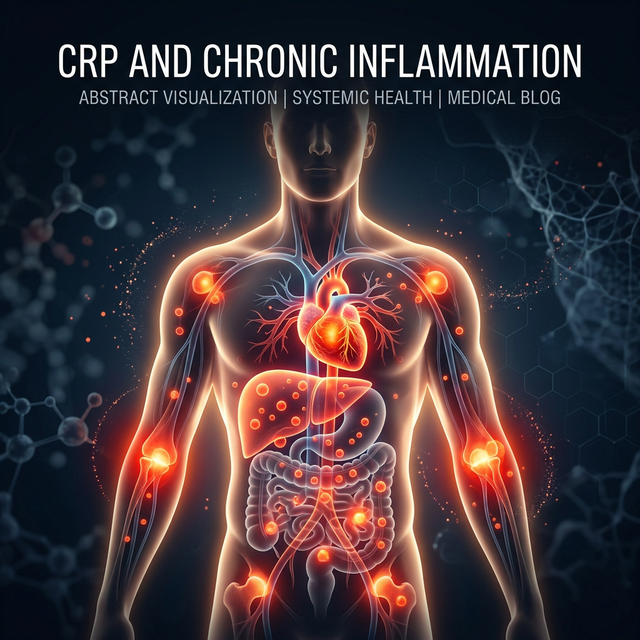
Have you ever felt persistently tired, achy, or just "off," but your standard blood reports came back normal? You might be experiencing the effects of silent, chronic inflammation—a hidden fire within your body that modern medicine now recognises as a root cause of many serious diseases. From heart conditions and diabetes to autoimmune disorders and even depression, unchecked inflammation is a common thread. In India, where lifestyle diseases are rising rapidly, understanding this internal alarm system is more crucial than ever. The good news? You now have a powerful, accessible tool to check this hidden risk factor from the comfort of your home.
What C-Reactive Protein (CRP) Measures
Think of C-Reactive Protein (CRP) as your body's primary smoke alarm. It's a protein produced by your liver in response to inflammation. When your immune system detects a threat—be it an injury, an infection like a bad cold, or the slow-burn stress of poor lifestyle choices—it sends out signals that tell your liver to release CRP into your bloodstream. A standard CRP test measures this general inflammation. There's also a more sensitive version, hs-CRP (high-sensitivity CRP), which can detect even low-grade, chronic inflammation that might otherwise go unnoticed.
This isn't about the temporary, helpful inflammation that helps a sprained ankle heal. We're talking about the chronic, systemic kind that simmers quietly for years. For millions of Indians navigating busy urban lives, with diets high in processed foods and increasing stress levels, this internal fire is often constantly stoked. Monitoring your CRP gives you a direct, quantifiable insight into this process, acting as an early warning system long before more serious symptoms or conditions develop.
High CRP Links to Heart Disease, Diabetes, and Autoimmune Conditions
Elevated CRP levels are a significant red flag, strongly associated with an increased risk of major health issues. Research consistently shows that people with high CRP are more likely to develop cardiovascular diseases. In fact, hs-CRP is now considered as important a risk marker as high cholesterol for predicting heart attacks and strokes. The inflammation damages blood vessel walls, making it easier for plaque to build up.
Furthermore, chronic inflammation is a key player in insulin resistance, the precursor to Type 2 Diabetes—a condition affecting over 77 million adults in India. High CRP levels can indicate that your body is struggling with metabolic stress. It's also a common feature in autoimmune conditions like rheumatoid arthritis, where the body mistakenly attacks its own tissues. For those managing post-viral fatigue or unexplained aches, a CRP test can help differentiate between an ongoing inflammatory response and other causes of tiredness, such as a Vitamin D deficiency or low B12 levels, which are also prevalent in India.
Who Should Test
While anyone health-conscious can benefit from knowing their inflammation status, certain groups should consider it a priority. If you've recovered from COVID-19 but continue to battle lingering fatigue, brain fog, or body aches ("Long COVID"), a CRP test can help assess if residual inflammation is contributing to your symptoms. Similarly, individuals with persistent, unexplained fatigue that isn't resolved by rest are prime candidates.
People with known risk factors for heart disease or diabetes, including a family history, high blood pressure, or being overweight, should also monitor their CRP. It provides a crucial piece of the health puzzle. Even if you feel generally well but want to take a proactive, preventive approach to your health—especially in your 30s and 40s—understanding your baseline inflammation level is a powerful step. It empowers you to make lifestyle changes before a problem becomes a diagnosis.
How to Interpret Results and What to Do Next
Interpreting your CRP result is straightforward, but it should always be done in consultation with a healthcare professional. Generally, a result below 1.0 mg/L indicates low risk for cardiovascular inflammation, 1.0 to 3.0 mg/L indicates average risk, and above 3.0 mg/L indicates high risk. A very high result (above 10.0 mg/L) often suggests an active infection or other acute condition and requires immediate medical attention.
If your levels are elevated, don't panic. This is valuable information, not a verdict. The next step is to consult your doctor to investigate the underlying cause. In parallel, you can embrace powerful, evidence-based anti-inflammatory lifestyle changes. Focus on a whole-foods diet rich in antioxidants (think colourful vegetables and fruits), incorporate regular moderate exercise like brisk walking or yoga, prioritise quality sleep, and manage stress through meditation or mindfulness. These steps can significantly lower inflammation over time. You can also monitor related wellness markers, such as your thyroid function with a TSH test, to get a fuller picture of your health.
Taking control starts with knowledge. You no longer need to wonder about the silent processes inside your body. With a simple, private, and accurate QUIQ CRP Test, you can check your inflammation levels at home in just 15 minutes. It’s a small step that provides profound insight, putting you in the driver's seat of your long-term wellness journey. Visit QUIQ today to learn more and take the first step towards a healthier, more informed you.
Disclaimer: This article is for educational purposes only. Self-test kits are screening tools and are not a substitute for professional medical diagnosis, advice, or treatment. Always consult with your healthcare provider for any health concerns and before making any changes to your healthcare regimen.
Take Control
Know Your Health
Premium at-home self-test kits under ₹99. CE & IVD certified results in minutes. No lab visits, no appointments.
Shop Now