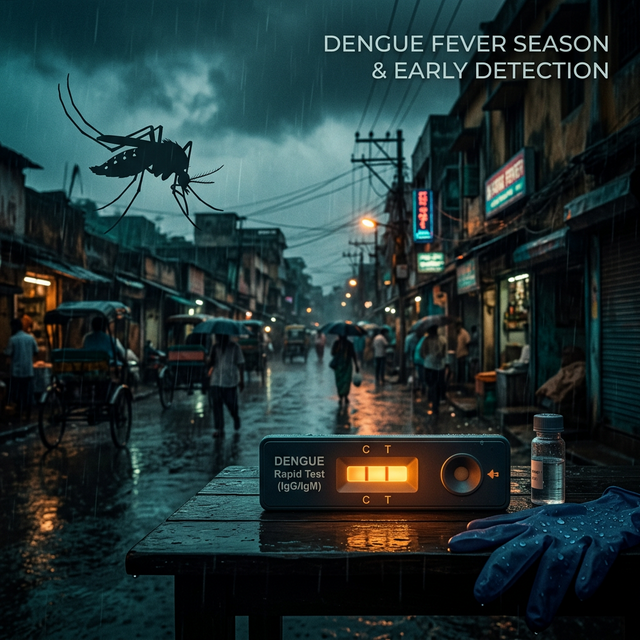
As the monsoon clouds gather, bringing relief from the summer heat, they also usher in a less welcome annual visitor: the dengue virus. In India, the National Center for Vector Borne Diseases Control reports lakhs of confirmed cases each year, with the actual burden estimated to be in the millions. For urban and semi-urban families, the season of rain becomes a season of heightened vigilance. The challenge isn't just the mosquito bite; it's the critical window between the first fever and the point where dengue can escalate into a severe, life-threatening condition. Recognising the signs early is your first and most powerful line of defence.
Why Early Detection Saves Lives
Dengue is not a uniform illness. It progresses in phases, and the initial days—often dismissed as a "viral fever"—are when decisive action can alter the entire course of the disease. The primary danger of dengue is a sudden drop in platelet count and plasma leakage, which can lead to Dengue Hemorrhagic Fever or Dengue Shock Syndrome. These severe complications typically manifest after the initial fever subsides, creating a deceptive sense of improvement. By the time classic warning signs like severe abdominal pain, persistent vomiting, or bleeding gums appear, the window for simpler management has narrowed. Early detection allows for prompt hydration, close monitoring, and timely medical intervention, drastically reducing the risk of hospitalisation and severe outcomes. It transforms a potentially frightening health crisis into a manageable condition.
The Classic Symptom Progression and When to Worry
The journey of a dengue infection often follows a recognisable, though not universal, pattern. The first signs usually appear 4-10 days after a mosquito bite and can be frustratingly generic. Day 1-3 typically involves a sudden high fever (104°F or 40°C), accompanied by severe headache, pain behind the eyes, and intense muscle and joint pains—giving dengue its old nickname, "breakbone fever." You might also experience nausea and a skin rash.
The critical transition often happens around Day 4-7, as the fever breaks. This is the phase that demands utmost caution. Feeling better can be a trap. Warning signs that require immediate medical attention include severe abdominal pain, persistent vomiting, bleeding from the nose or gums, blood in vomit or stool, fatigue or restlessness, and cold, clammy skin. If you or a family member, especially a child or elderly person, shows these symptoms after a fever, do not wait. This is the time to seek professional care immediately.
The Problem with Waiting for a Lab Report in Monsoon Season
During peak dengue season, clinics and diagnostic labs are overwhelmed. The thought of travelling through waterlogged streets with a feverish child, waiting in crowded waiting rooms, and then waiting hours or even a day for a lab report is not just inconvenient—it can be a risky delay. This logistical hurdle is a significant gap in our healthcare response during monsoon outbreaks. Every hour counts when monitoring dengue, and the stress of this process can exacerbate the patient's condition. This gap is precisely why accessible, immediate testing solutions are becoming a cornerstone of proactive home healthcare, much like keeping a thermometer or a blood pressure monitor.
How the QUIQ Dengue Test Works
This is where modern diagnostics can empower you. The QUIQ Dengue Test is a CE & IVD certified rapid test kit designed for use at home. It works by detecting the NS1 antigen, a protein produced by the dengue virus, which appears in the bloodstream from the first day of fever up to day 9. The process is simple: a small finger-prick blood sample is placed on the test device, and a buffer solution is added. You get a clear, visual result in just 10-15 minutes with over 95% clinical accuracy. It provides a crucial early data point, helping you and your doctor make informed decisions without the agonising wait.
Knowing your status early is powerful, whether it's for dengue or other key health indicators. For instance, persistent fatigue after an illness could also be linked to deficiencies, making a check of your B12 levels at home a useful wellness step during recovery.
What to Do If You Test Positive at Home
A positive result from a home test is not a reason to panic, but a call to action. First, consult your doctor immediately and share the test result. Do not self-medicate; avoid NSAIDs like ibuprofen or aspirin, as they can increase bleeding risk. Paracetamol (acetaminophen) can be used for fever and pain under medical guidance. The cornerstone of dengue management is aggressive oral hydration with ORS, coconut water, or clear soups. Rest is non-negotiable. Your doctor will likely advise monitoring your platelet count and hematocrit through follow-up blood tests. The home test result accelerates this process, ensuring you enter medical care with valuable information already in hand.
Similarly, for other infectious concerns that require privacy and speed, options like a rapid malaria detection in 10 minutes are available for home use, offering peace of mind during the rainy season.
Don't let this monsoon season catch you unprepared. Knowledge and the right tools can turn anxiety into action. QUIQ is committed to democratising access to critical health information. Keep a dengue test kit in your monsoon medical cabinet alongside your usual supplies. It’s a small step for a season that demands big vigilance. Be prepared, stay informed, and prioritise your family's health from the very first sign.
Disclaimer: The QUIQ Dengue Test is a screening tool. A positive result should always be followed by consultation with a healthcare professional for clinical diagnosis and management. This article is for informational purposes only and is not a substitute for professional medical advice.
Take Control
Know Your Health
Premium at-home self-test kits under ₹99. CE & IVD certified results in minutes. No lab visits, no appointments.
Shop Now