India, a land blessed with abundant sunshine, faces a silent health paradox: an estimated 70-80% of its population is deficient in Vitamin D. This "sunshine vitamin," crucial for strong bones, a robust immune system, and muscle function, is alarmingly scarce despite our tropical climate. This widespread deficiency is a quiet epidemic, often going unnoticed until it manifests as persistent fatigue, unexplained aches, or frequent illnesses. The good news is that understanding and managing your Vitamin D status has never been easier or more accessible.
Why Vitamin D Deficiency Is So Common in India
Our modern lifestyle is the primary culprit. While our ancestors spent significant time outdoors, today's urban Indians lead predominantly indoor lives. Long office hours, the shift to remote work, and the cultural use of sunscreen (while important for skin protection) drastically reduce our skin's exposure to the UVB rays needed to synthesize Vitamin D. Furthermore, air pollution in many cities can filter out these essential rays before they even reach us.
Diet also plays a significant role. The most potent form, Vitamin D3, is found naturally in fatty fish, egg yolks, and liver—foods that are limited or absent in vegetarian and vegan diets. While some foods like milk are fortified, the amounts are often insufficient to meet daily requirements. This combination of lifestyle and dietary factors creates a perfect storm for deficiency across all age groups in India.
Signs You Might Be Deficient
Vitamin D deficiency is often a stealthy condition, with symptoms that can be vague and easily attributed to a busy life. Common signs include persistent fatigue and low energy levels that don't improve with rest. You might experience bone pain or tenderness, especially in the back, and general muscle weakness. A weakened immune system leading to frequent colds or infections is another red flag. Some people also report low mood or feelings of sadness, particularly during seasons with less sunlight. If you recognize several of these symptoms, it may be time to investigate your levels, especially if you have a sedentary job or follow a plant-based diet. For a comprehensive view of your wellness, consider pairing this check with a thyroid function test, as thyroid issues can sometimes present with similar fatigue.
How the QUIQ Vitamin D Test Works
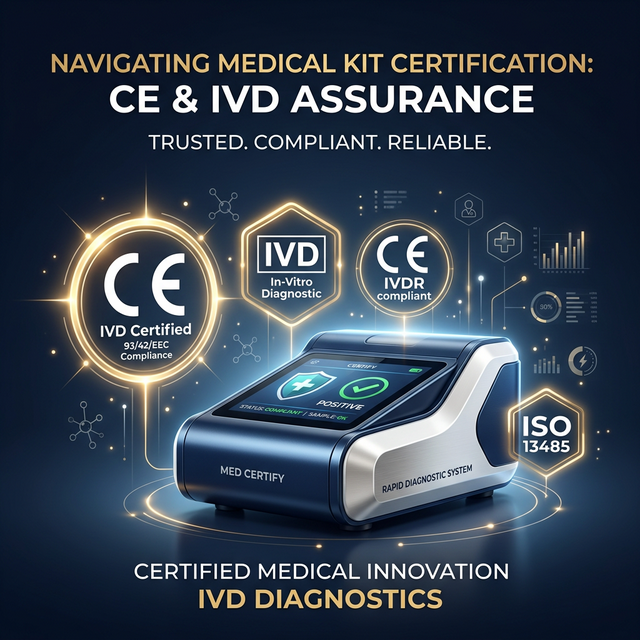
The QUIQ Vitamin D Self Test demystifies the process of checking your levels. This CE & IVD certified kit uses a proven lateral flow immunoassay method to measure 25-hydroxy Vitamin D, the standard marker, from just a single drop of blood from a finger prick. The process is simple and private: after a quick finger prick, you place the blood drop on the test strip. The blood travels via capillary action, and within 10 minutes, a coloured line appears in the test region.
Reading your result is straightforward. You simply compare the colour intensity of this line with the provided shade card. A strong line indicates sufficient levels (above 30 ng/mL), a faint line suggests insufficiency (20-30 ng/mL), and no test line indicates a deficiency (below 20 ng/mL). A control line must always appear to confirm the test is valid. This entire process, from sample collection to result, happens in the comfort and privacy of your home, eliminating the need for a lab visit.
Who Should Test and How Often
Regular monitoring is key for several groups. Office workers with minimal daily sun exposure are at high risk. The elderly, who have a reduced capacity to synthesize Vitamin D and are at greater risk for bone fractures, should check their levels. Individuals following vegetarian or vegan diets, lacking natural D3 sources, are also prime candidates. Furthermore, if you experience chronic fatigue, bone pain, or frequent illnesses, a test can provide crucial insights.
For general wellness, testing once or twice a year is often recommended, ideally at the end of winter and summer to see seasonal variations. If you are diagnosed with a deficiency and begin supplementation, your doctor may advise a follow-up test after 3-4 months. Managing your Vitamin D is one pillar of wellness; for a holistic approach, you can explore other essential checks like monitoring your Vitamin B12 levels, another common deficiency, especially among vegetarians.
Don't let the sunshine vitamin be the missing piece in your health puzzle. Take control of your wellness today with a simple, accurate, and affordable check. You can understand your Vitamin D status in just 10 minutes for only ₹99. For a broader assessment of your health markers, you can always explore the full range of QUIQ self-test kits designed for your proactive health journey.
Disclaimer: This test is for self-screening and informational purposes only. It is not a substitute for professional medical diagnosis. Please consult with your healthcare provider for interpretation of results and appropriate management.
Take Control
Know Your Health
Premium at-home self-test kits under ₹99. CE & IVD certified results in minutes. No lab visits, no appointments.
Shop Now